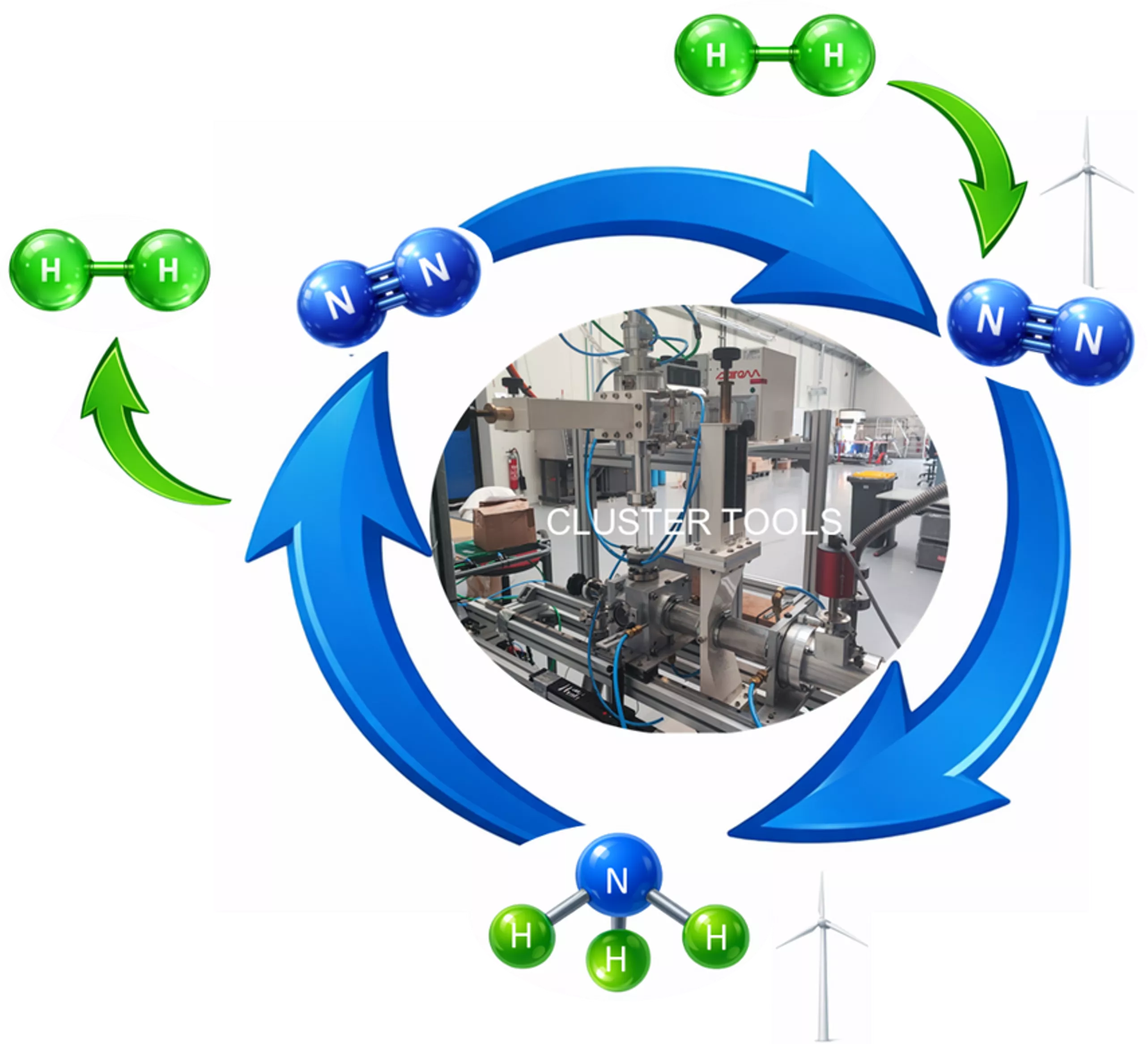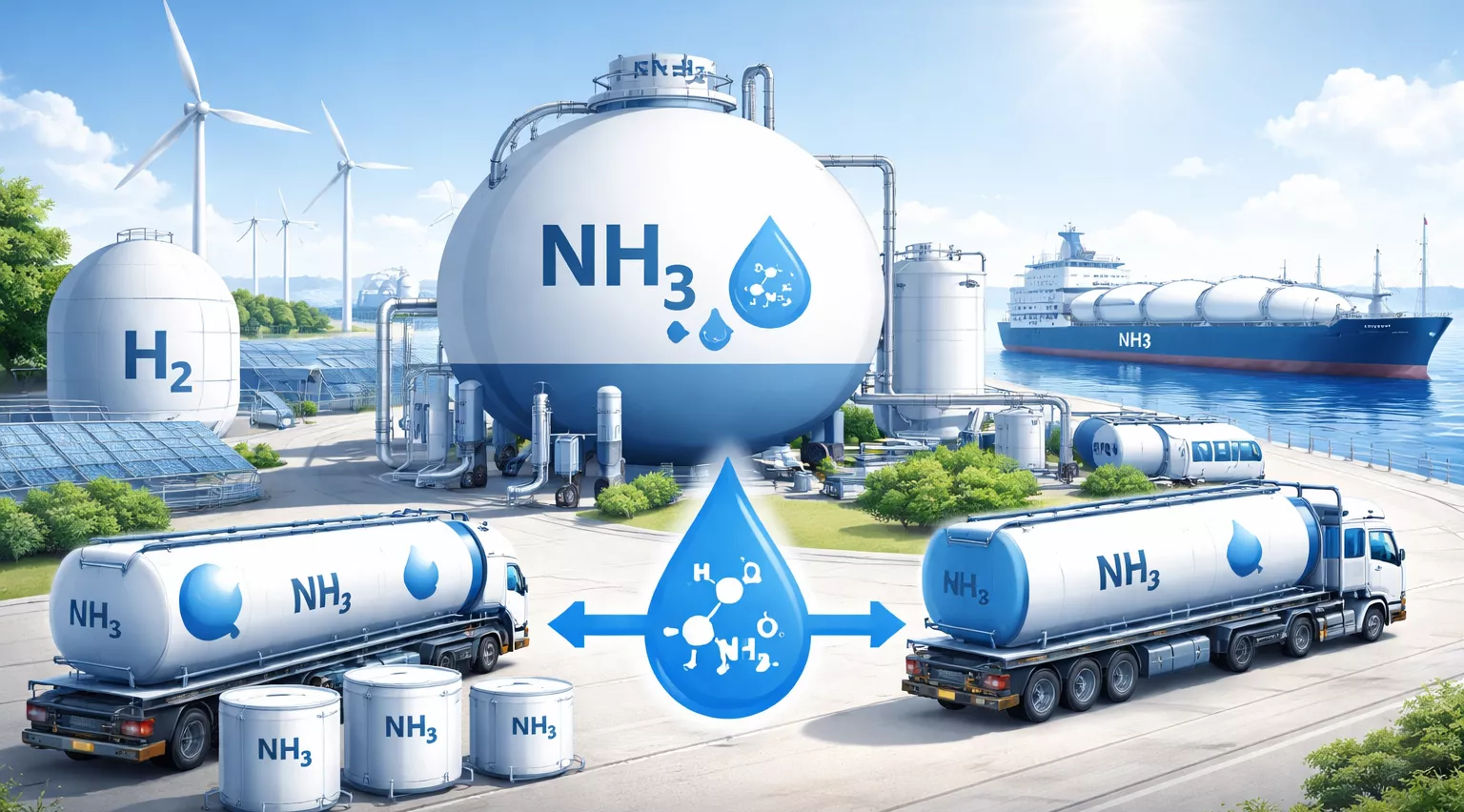
Hydrogen storage and transport via NH₃.
We develop electrified processes based on non-thermal plasmas coupled with heterogeneous catalysis to activate difficult reactions at ambient or moderate temperature, with 100% electrical supply compatible with renewables and quasi-instantaneous ramp-up/ramp-down. The objective: increase yields, lower specific consumption (kWh/kg), and reduce the carbon footprint of gas conversion chains.
Our technical expertise:
- Plasma physics & discharge control Low pressure (microwave, RF) and atmospheric (DBD, gliding arc, hybrid arcs): source design, impedance matching, control of non-equilibrium regimes and electron energy distributions to maximize active species. Advanced diagnostics: electrical measurements, spectroscopy, and discharge mapping to link electrical/hydrodynamic parameters with reaction kinetics.
- Plasma–catalysis (controlled coupling) Selection, shaping, and integration of catalysts in post-discharge or in-plasma; study of plasma–surface interactions and synergy to open reaction pathways not accessible thermally. Measurable objective: improvement of conversion rates, selectivities, and energy efficiencies on difficult molecular systems (N₂, H₂, NH₃, CO₂, CH₄).
- Reactor engineering & pilot platforms Mechanical design (electrode/injector geometries, thermal management), fluidics (residence time, flow rates, pressure), gas safety (interlocks, instrumentation), automation (sequencers, supervision). Modular platforms: multi-technology integration (multiple plasma sources + catalytic beds) within scalable pilot tools to evaluate, compare, and demonstrate complete processes.
- Process metrology & optimization Analytics: GC for absolute quantification, MS for intermediate/minority species. Mass/energy balances: common models to calculate conversions, selectivities, kWh/kg product and locate losses in the chain (source, couplings, cooling). Design of Experiments (DoE): robust identification of critical parameters (power density, frequency, hydrodynamics, geometry) with reduced number of trials.