Accelerated aging
Definition/objectives:
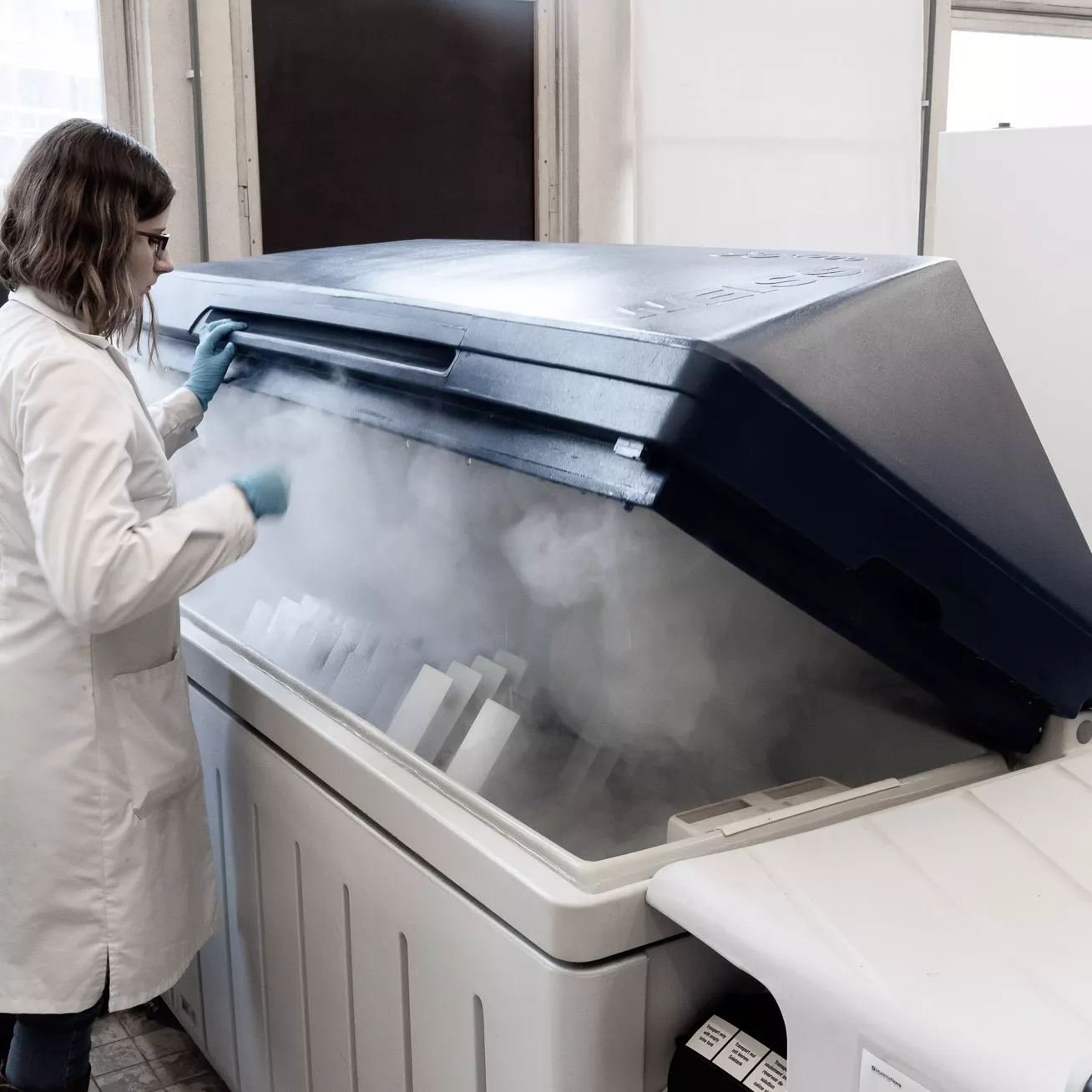
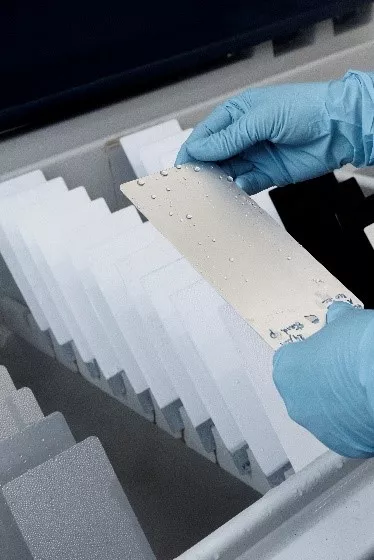
Accelerated ageing tests are an attempt to simulate the evolution of a material with or without surface treatment under real-life conditions, and are absolutely essential for many industries, in particular to validate and ensure the properties of products to be marketed.
Exposure conditions and cycles are generally adapted and optimized to best represent actual and final conditions of use. Coupled with electrochemical characterization techniques and surface analysis, accelerated aging tests can become rapid tools for system pre-selection.
Performance measurement (tests, standards and equipment)
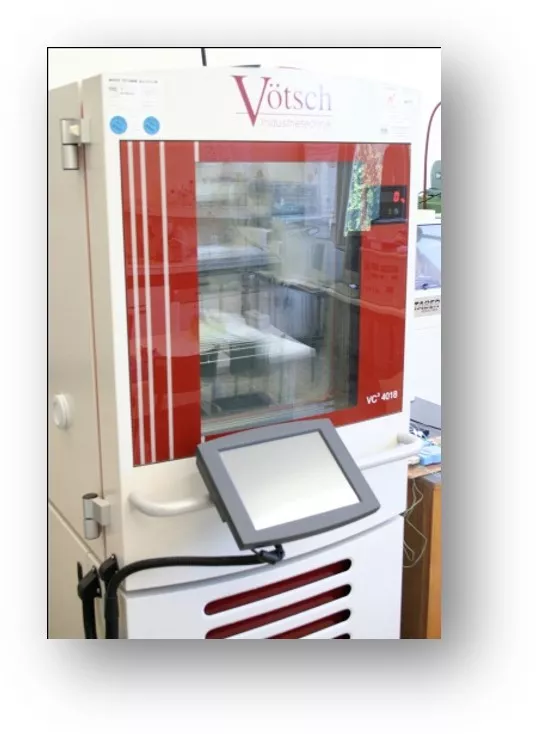
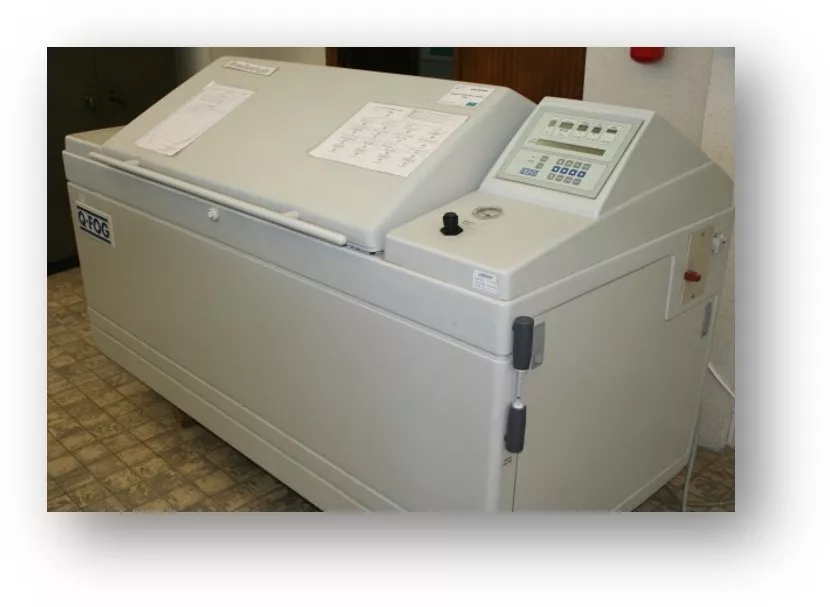
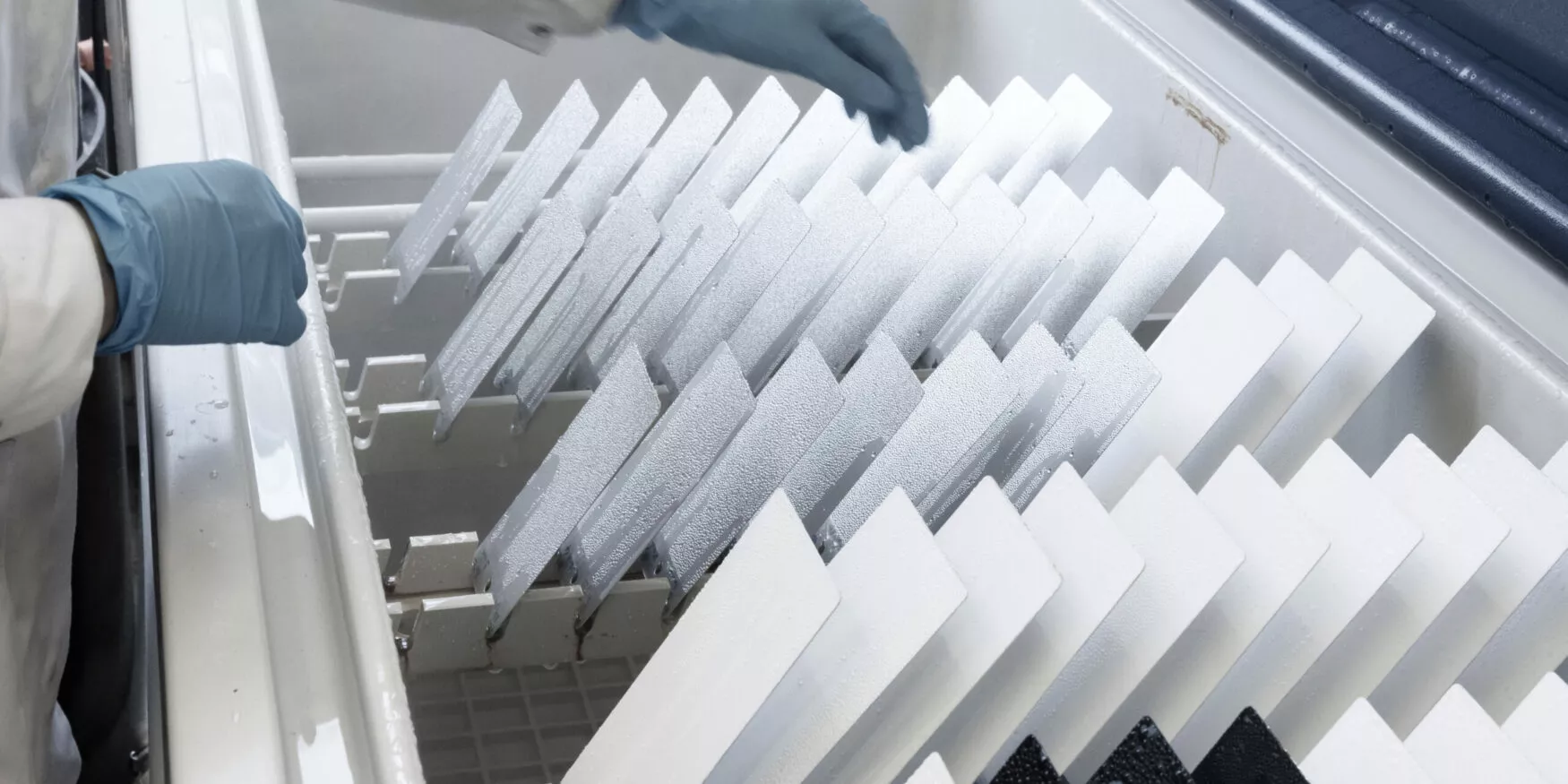
Climatic conditioning tests in climatic chambers: hygrothermal test in climatic chambers, salt spray to ISO 9227 / ASTM B 117, climatic chambers from -70°C to 180°C, humid cabinet, humid heat, thermal shock, exposure to condensation humidity ISO 6270, cycle test or thermal shock test;
Mechanical fatigue tests (tension, compression, bending, etc.) up to 10 kN ;
Mechanical tests (tubular impact, cylindrical bending, slow drawing);
Accelerated UV aging test (QUV chamber to ISO 11507, Xenon ISO 16474-2)
Adhesion tests (squaring tests to ISO 2409, evaluation of blistering rate);
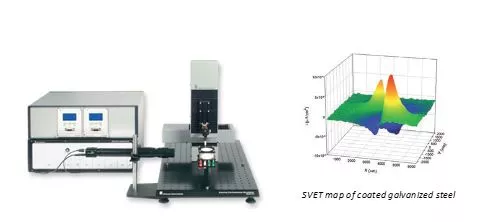
Electrochemical characterization: corrosion potential and current measurements (polarization curves), galvanic coupling measurements;
Characterization of protective properties: barrier properties, porosity, water permeability, delamination, filiform corrosion, etc.; Development of specific electrochemical tests (cathodic delamination, ACET, edge corrosion, etc.);
Corrosion studies (corrosion expertise): Potensiostats/FRA, galvanostats, corrosive gas climatic chamber.
Our strengths
- With significant experience in the study of materials, Materia Nova assists manufacturers in qualifying and improving the aging performance of their products.