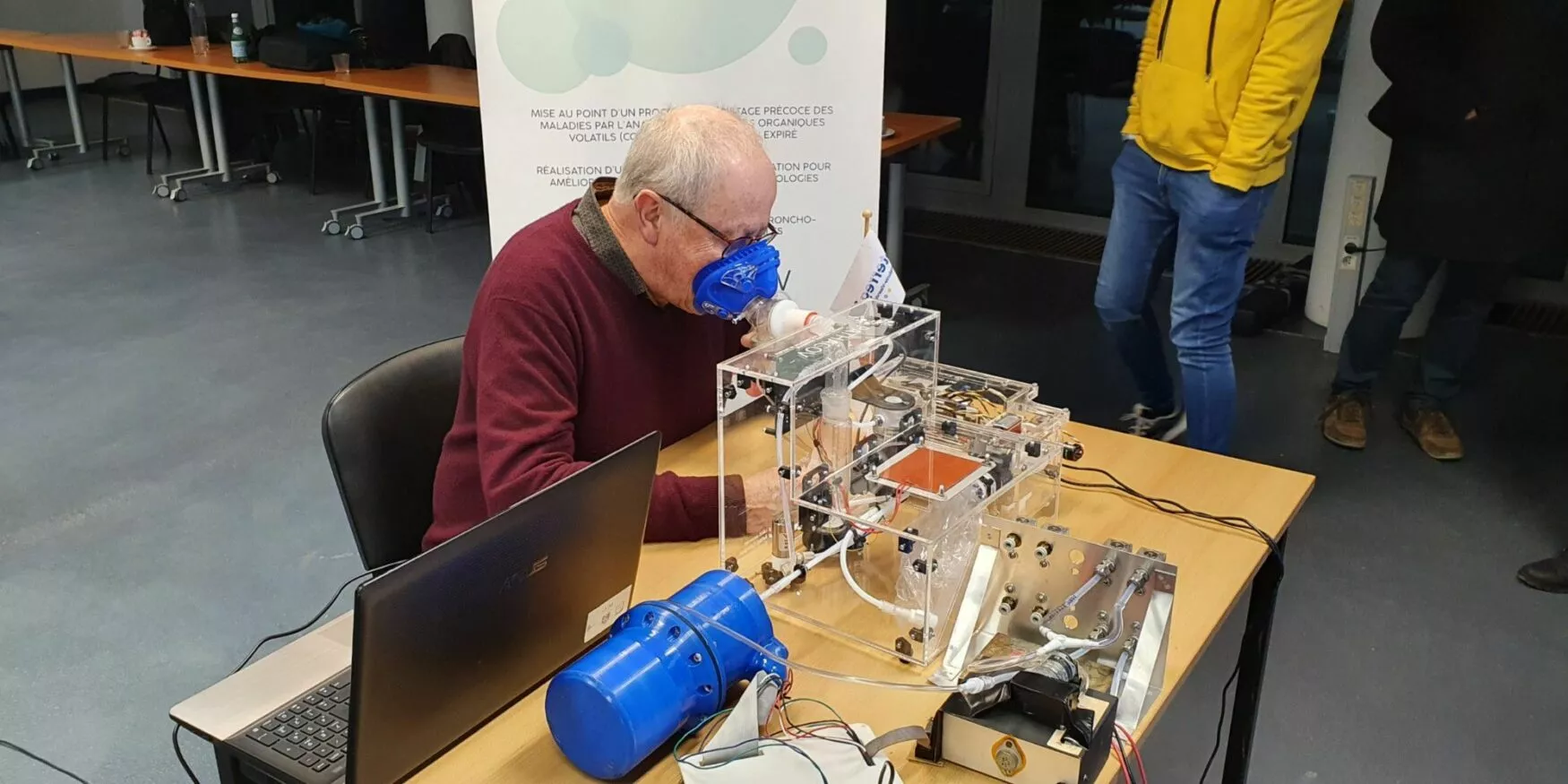
The Electronic Nose (E-Nose)
Our Solutions – Materials and Processes for Enhanced Health
Screening and Diagnostics
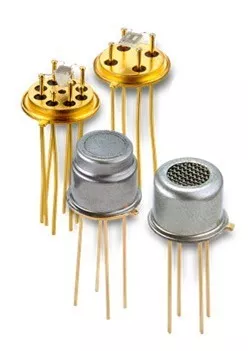
Materia Nova designs and develops advanced optical sensors dedicated to measuring critical parameters in complex environments. These sensors enable the detection and monitoring of environmental parameters, bacterial indicators, oxygen (O₂), pH, carbon dioxide (CO₂), and other key parameters in cell culture and bioprocesses. Thanks to their high sensitivity and strong selectivity, these sensors constitute the fundamental building blocks of more sophisticated analytical devices, such as the Electronic Nose.
Integrated Technologies of the Electronic Nose
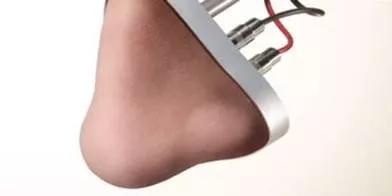
The Electronic Nose developed at Materia Nova relies on a multidisciplinary integration of complementary technologies, including optical transduction, sensitive micro- and nanomaterials, microfluidics, spectroscopic techniques such as FT-IR, and molecularly imprinted polymers (MIPs). This technological combination enables multi‑parametric detection, recognition of complex chemical signatures, accurate quantification of analytes, and high levels of sensitivity, selectivity, and robustness.
Application Areas
The Electronic Nose technologies developed by Materia Nova are used in many sectors and supported by research and innovation projects.
- Early detection of lung cancer:
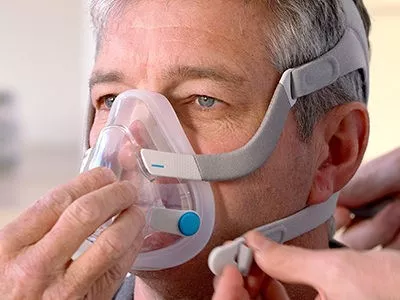
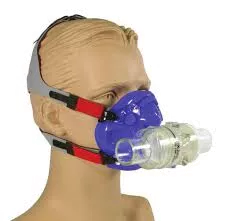
Analysis of exhaled air to identify specific volatile organic compounds (VOCs) serving as biomarkers for lung cancer, enabling earlier and non‑invasive diagnosis. - Monitoring and anticipation of epileptic seizures:
Development of implants integrating networks of electrodes or optical sensors capable of monitoring neuronal activity and detecting critical episodes in real time. - Control of biological control agents:
Real‑time monitoring of the presence and activity of micro‑organisms or biocidal molecules used in biopesticides, enabled by dedicated optical sensors. - Smart and responsive dressings:
Integration of sensors into dressings to detect early wound‑healing issues, ensure continuous wound monitoring, trigger controlled activation of active agents (anti‑inflammatory, antibacterial, etc.), and allow rapid, targeted therapeutic intervention. - Detection of micro‑organisms and biofilms:
A hybrid approach combining FT‑IR spectroscopy for detection on contaminated surfaces, microfluidics and optics for identifying agricultural pathogens, and MIPs for quantifying proteins and polysaccharides. This strategy achieves exceptional levels of sensitivity and selectivity.
Our strengths
- Numerous sensor developments through international projects.
- Expertise in the development of different types of sensitive materials such as optical and fluorescent sensors.
- Expertise in different deposition techniques: impregnation, PVD, CVD, sol-gels...
- Manufacture of the devices.
- Characterization and evaluation of performance.