
Recycling organic waste and urea
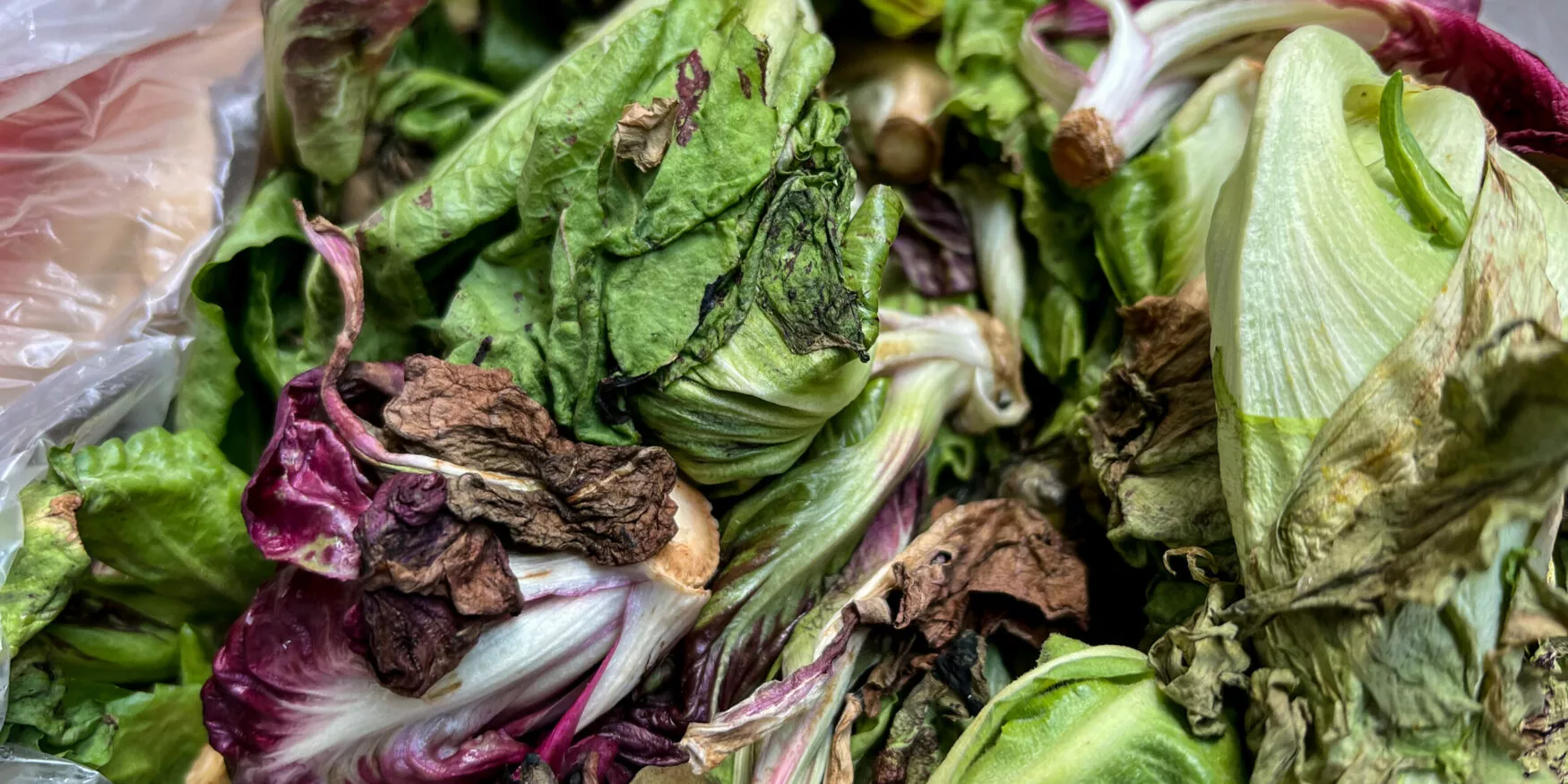
1. Food organic waste
The solid fraction of food organic waste is used for biomethane production. Materia Nova works both on improving the efficiency of the biomethanation process and on decentralizing production, thus enabling a more local and effective valorization of waste.
Related project link: WalBioPower - DECARBOWAL - Materia Nova - Innovation Center
2. Household organic waste rich in cellulose
Household waste containing cellulose, paper, cardboard, roots, and plant residues can be incorporated into conventional plastics (PE, PP) up to 45%. This allows the production of compounds suitable for outdoor applications (terraces, constructions, containers, fences, furniture, decoration) with:
Mechanical properties superior to conventional polymers, especially impact resistance.
Lower production cost compared to the base polymer.
Compatibility with standard industrial processes (injection and extrusion).
The process is based on reactive extrusion, optimized through the choice of a specific screw profile and the incorporation of additives at 10%. The resulting materials have limited water sensitivity (absorption and leaching of compounds).
Related case study link: PE/PP Composites with High Organic Waste Content - Materia Nova – innovation center
3. Urine and nitrogen valorization
Urine contains nitrogen mainly in the form of urea, representing a major source of pollution for surface and groundwater. Reducing this nitrogen load represents a significant part of wastewater treatment costs.
Materia Nova develops two valorization strategies:
Using nitrogen as a catalyst for hydrogen production.
Controlled production of ammonia, including hydrogen production via plasma reforming.
Related project link: ILES – Axis 5 – From Wastewater to Hydrogen - Materia Nova - Innovation Center
Our strengths:
- Materia Nova dispose d'un parc d'extrudeuses lui permettant de préparer des composites à différentes échelles (de quelques grammes, centaines de grammes à quelques kilogrammes ou centaines de kilogrammes). Les profils des vis peuvent être modulées à façon pour optimiser la qualité des mélanges, atteindre les temps de séjour requis, ajouter plusieurs additifs le long des vis, extraire des produits volatils.
- Materia Nova is active in the production of hydrogen from methane and biomethane using plasmalysis, a process for which it holds patents.
- Our knowledge in the field of bio-electrochemistry and the functionalisation of electrodes and electrolysis to support the development of new electrode materials for the electro-oxidation of urea and for the assisted biomethanisation of CEM (Design electrolysis cells and implementation of treatment processes (reactors).
- Platforms for characterising chemical reactions in the gas phase. Combination of plasma and catalytic systems to improve selectivity.