
(Bio)sensors
For more than twenty years, Materia Nova, in collaboration with UMONS, has been developing a wide range of sensors and (bio)sensors dedicated to the detection of atmospheric pollutants, medical diagnostics, and the monitoring of environmental, biological, and bacterial parameters. These solutions rely on various families of sensitive materials and multiple transduction modes (optical, electrochemical, mechanical, magnetic, or thermal), enabling reliable, fast, and quantitative measurements.
1. Resistive Sensors
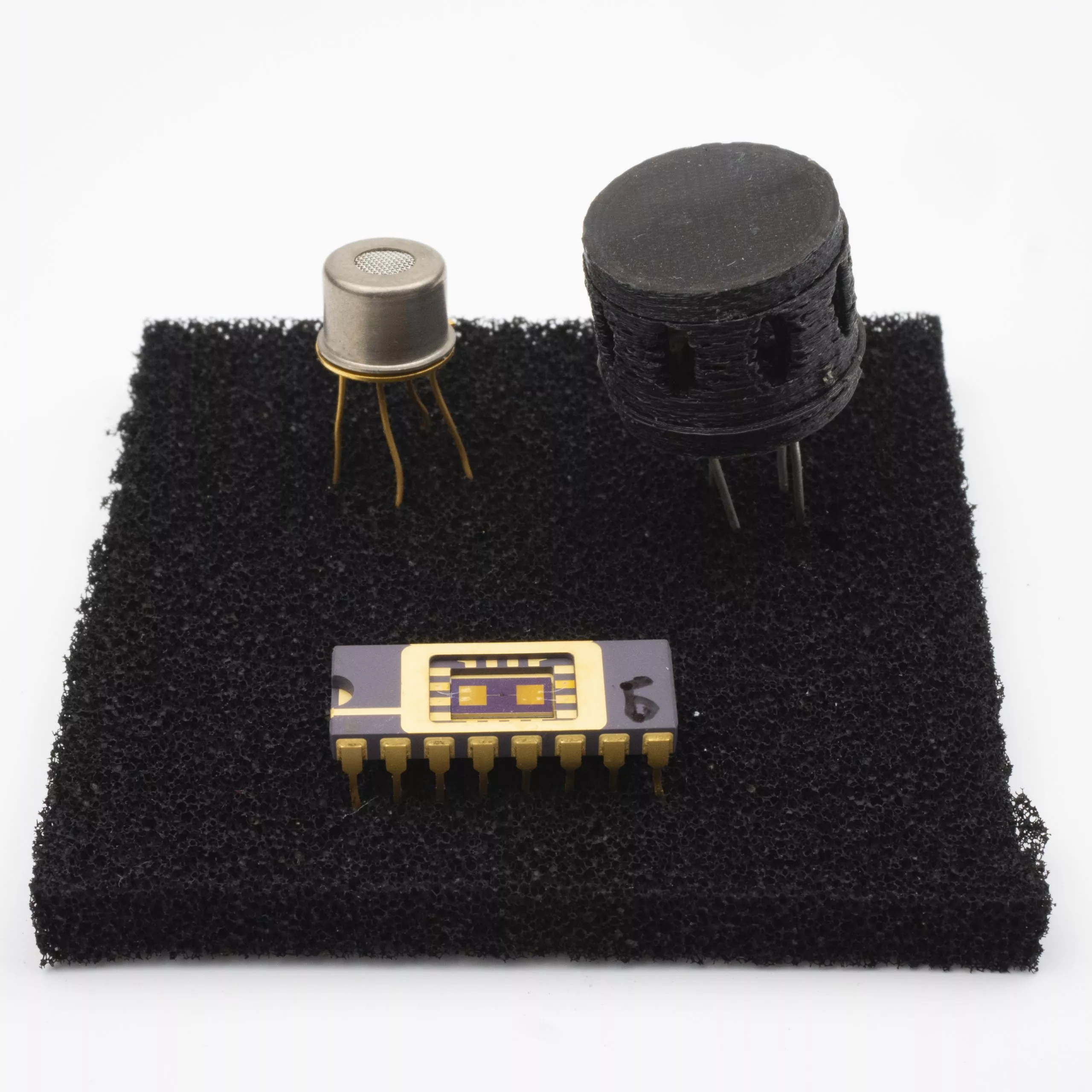
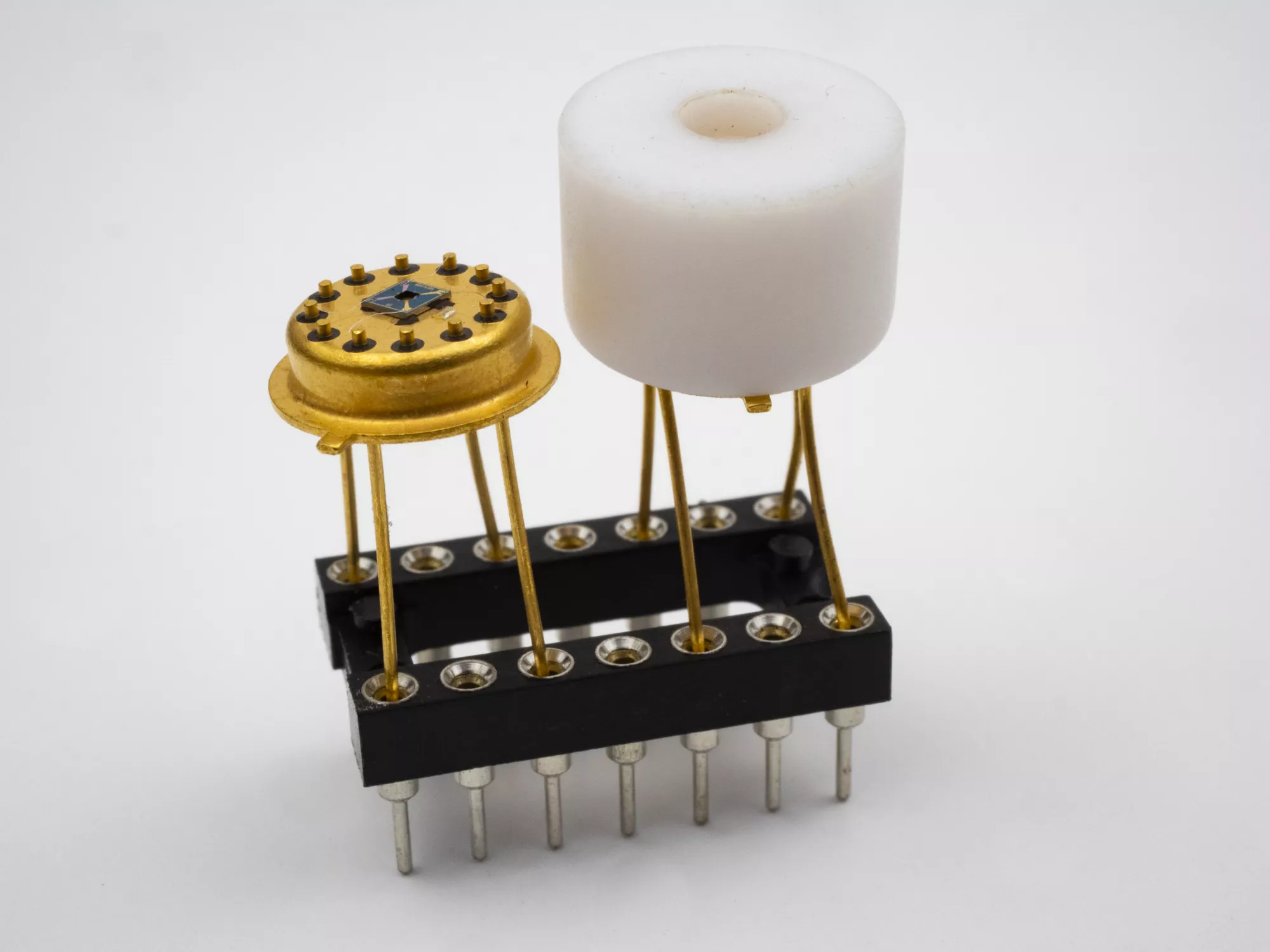
Development of sensors based on organic or inorganic semiconductors, in thick or thin film configurations, for the detection of: NOx, O₃, H₂, CO, NH₃, and volatile organic compounds (VOCs). These sensors are well suited for air quality monitoring and industrial environmental applications.
2. Optical Sensors and (Bio)Sensors
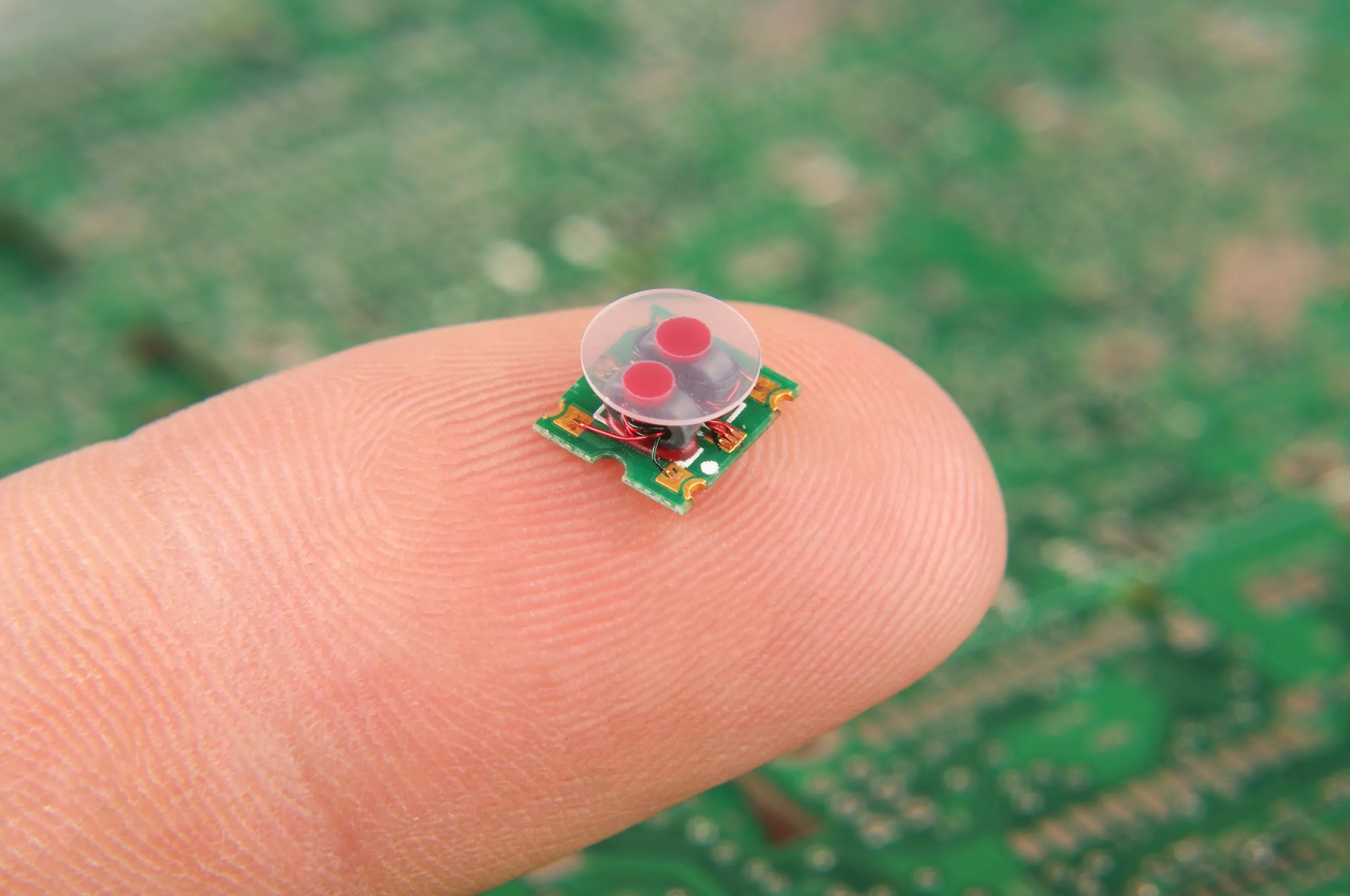
Development of optical sensors for the measurement of environmental parameters, bacterial indicators, oxygen, pH, CO₂, and other critical parameters in cell culture.
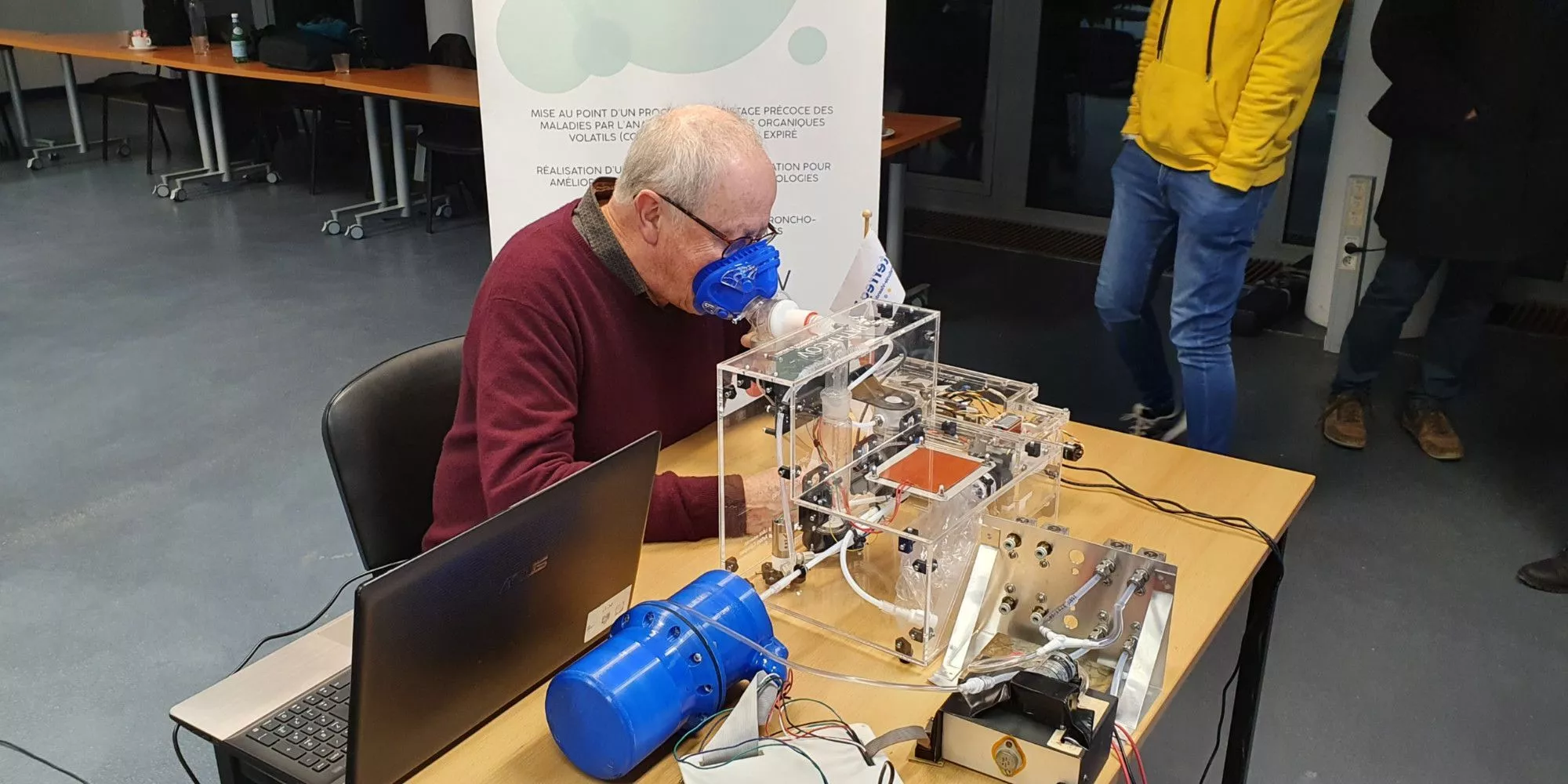
These technologies also enable the development of devices operating as an Electronic Nose, capable of identifying and recognizing complex chemical signatures.
3. Fiber-Optic Sensors
Development of sensors integrating optical fibers for the detection of:
hydrogen (H₂) leaks or presence,
nitrogen dioxide (NO₂),
biomolecules and other analytes.
These technologies offer high sensitivity, immunity to electromagnetic interference, and strong robustness for demanding environments.
Materia Nova is involved throughout the entire sensor development chain, from design to evaluation:
Experience: numerous developments carried out within large-scale international projects.
Expertise in sensitive materials: optical and fluorescent sensors, hybrid materials, MIPs, etc.
Advanced deposition techniques: impregnation, PVD, CVD, sol-gel, etc.
Complete device fabrication, integration, and packaging.
In-depth characterization: performance, selectivity, stability, detection limits, etc.
Optimization for the operating environment, for example:
anti-(bio)fouling surfaces for sensors used in wastewater or marine environments,
enhanced durability for harsh conditions.